Feinman Timeline

A sourced, interactive record tracing Feinman’s career, misconduct patterns, and impacts on Nassau County families.

A heavy wooden judge’s bench crafted from dark walnut dominates a grand but empty courtroom, its surface cluttered with thick case files, bound reports, and stamped manila folders labeled with dates and docket numbers. Behind the bench, towering shelves of leather-bound law books and archival boxes recede into soft blur. Cool, diffused daylight filters through high frosted windows, creating gentle reflections on the polished wood and casting long, sober shadows. Photographed at eye level in photographic realism with a slight wide-angle lens, the composition uses the rule of thirds, emphasizing the lonely authority of the bench and the weight of documented evidence, evoking a mood of solemn accountability and overdue scrutiny.
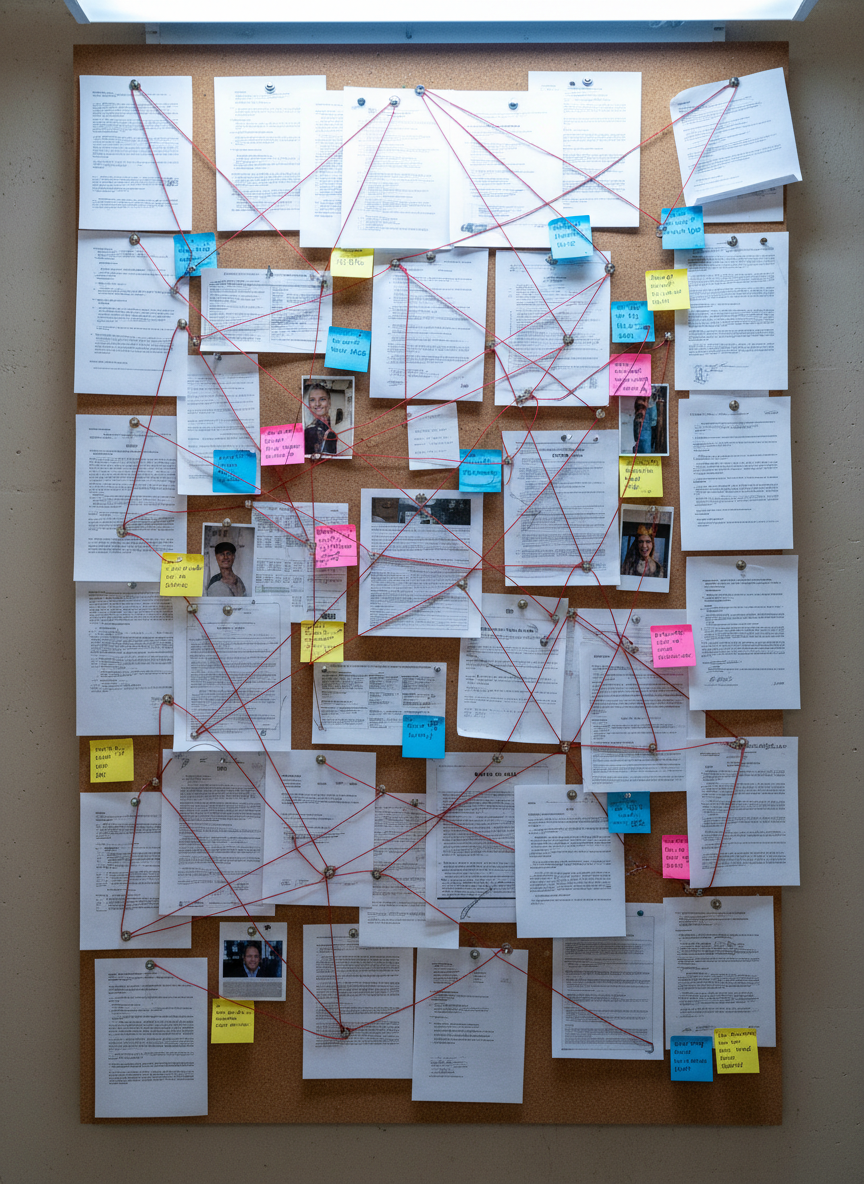
A large, meticulously organized corkboard fills the frame, covered in pinned court documents, printed emails, highlighted rulings, and color-coded sticky notes, each connected by thin red string forming a complex web of accountability. Metal pushpins glint under cool, overhead fluorescent lighting that casts crisp, controlled shadows, emphasizing the texture of the paper edges and folds. A plain, neutral wall surrounds the board, slightly out of focus, letting the details of dates, stamps, and headings stand out. Shot straight on with sharp focus across the entire surface in photographic realism, the image conveys a methodical, investigative atmosphere and the painstaking work of building a public-records timeline.

Timeline of Thomas Feinman’s Misconduct

Explore a documented chronology of Thomas Feinman’s rise, rulings, and ethical failures, drawn from public records and news archives, so you can follow each decision, complaint, and consequence that shaped Nassau County’s broken system of judicial accountability.

An imposing stack of mismatched archival storage boxes and expanding file folders rises from a scratched metal table in a dim records room, each box labeled with hand-written dates, case captions, and docket numbers related to judicial proceedings. A single adjustable desk lamp casts a cone of warm light across the scene, illuminating frayed edges, worn labels, and paper spilling from overfilled folders while leaving the background shelving in deep shadow. Photographed from a low angle with a shallow depth of field in photographic realism, the composition makes the stack loom large in the frame, symbolizing the overwhelming accumulation of unresolved misconduct and the urgent need for reform.
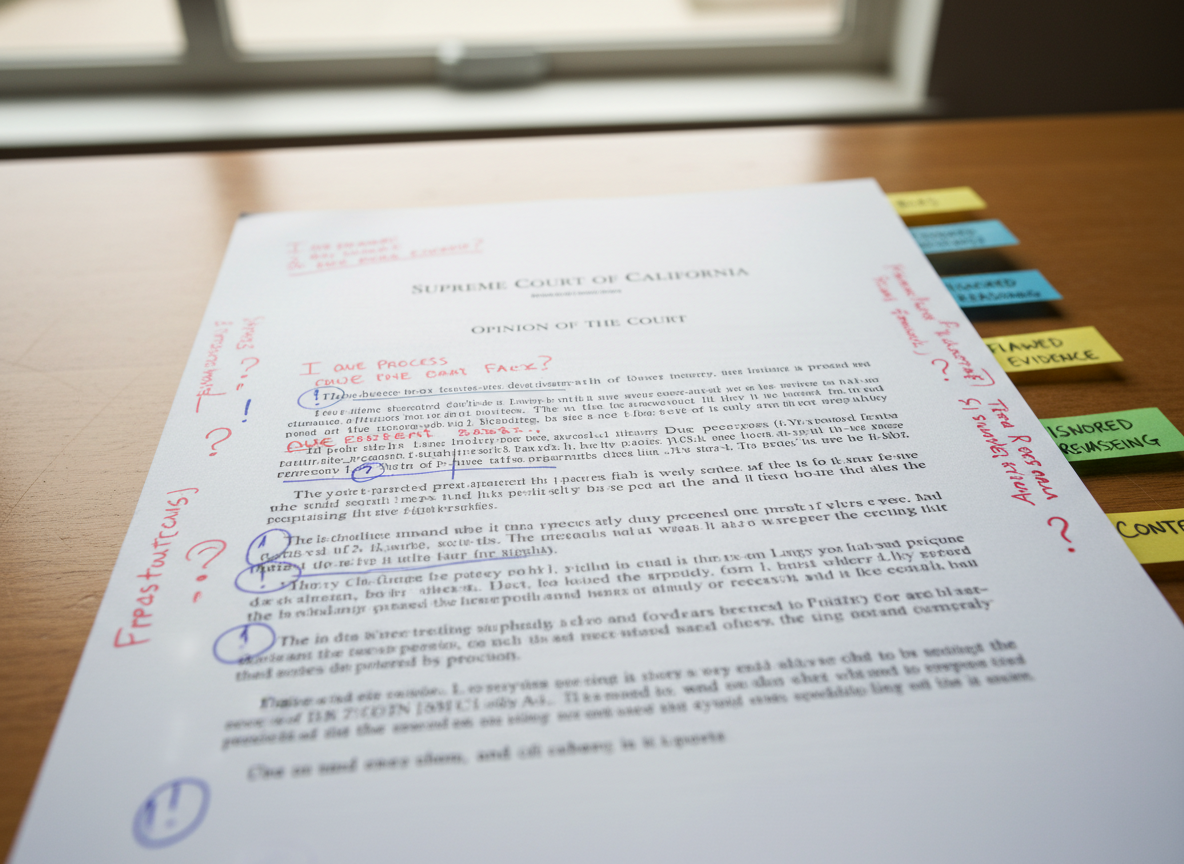
A close-up, overhead view of a thick judicial opinion printed on crisp white paper, its margins dense with handwritten annotations in red and blue ink, underlines, question marks, and exclamation points drawing attention to troubling passages. Color-coded sticky flags protrude from the pages, each labeled with concise critiques such as “bias,” “inconsistency,” and “ignored evidence.” Soft, overcast daylight from a nearby window spreads evenly across a plain wooden desk, minimizing harsh shadows and highlighting the paper’s fine texture and ink saturation. Captured in photographic realism with a tight, centered composition and shallow depth of field, the image creates an intense, analytical mood of careful, critical review of a judge’s decisions.
A heavy wooden judge’s bench crafted from dark walnut dominates a grand but empty courtroom, its surface cluttered with thick case files, bound reports, and stamped manila folders labeled with dates and docket numbers. Behind the bench, towering shelves of leather-bound law books and archival boxes recede into soft blur. Cool, diffused daylight filters through high frosted windows, creating gentle reflections on the polished wood and casting long, sober shadows. Photographed at eye level in photographic realism with a slight wide-angle lens, the composition uses the rule of thirds, emphasizing the lonely authority of the bench and the weight of documented evidence, evoking a mood of solemn accountability and overdue scrutiny.

Articles

In-depth analyses expanding key cases highlighted in the timeline.